"They tumble out of the sky like maple leaves, side-slipping right and left to lose altitude, feet spraddled toward shouts of welcome below."
Aldo Leopold could easily have been describing the more than 80,000 geese that punctuate the quiet beauty of the 8,075-acre Washita National Wildlife Refuge each winter. Within the refuge, the slow-moving Washita River winds through prairie and farmlands to merge with Foss Reservoir, providing a home and resting area for geese and other waterfowl. Gently rolling hills, ravines, and bottomlands laced with creeks shelter wildlife as common as white-tailed deer and as unusual as the Texas horned lizard.
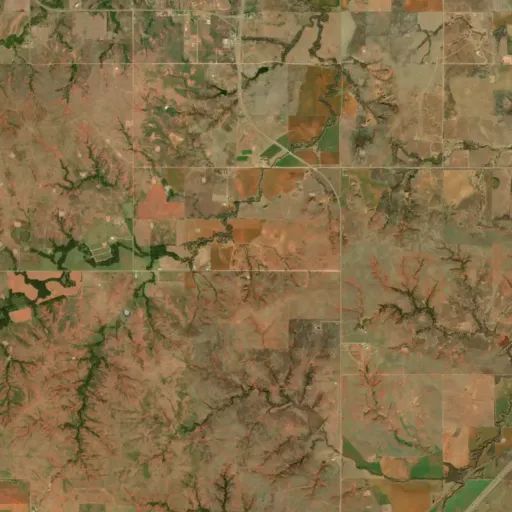
Washita National Wildlife Refuge was established in 1961 under the Fish & Wildlife Coordination Act primarily to provide a resting and feeding area for migrating and wintering waterfowl. Located in west-central Oklahoma, the refuge’s mixed-grass plains surround the upper reaches of Foss Reservoir.
Wintering waterfowl feed on wheat and milo grown specifically for them. They eat the green wheat first, then switch to the more nutritious milo when temperatures fall. About 2,000 acres of cropland cover the flat terrain. Local farmers cultivate these fields, keeping part of the harvest and leaving the remainder for wildlife. The refuge also floods some fields, creating shallow-water habitats that provide roosting and feeding areas for various waterfowl and wading birds.
This area of western Oklahoma produces a considerable amount of oil and gas. Custer County is located on top of the Anadarko Basin, one of the largest known reserves of natural gas. There are four active wells on the refuge.
 Camp Observer