San Diego Bay National Wildlife Refuge
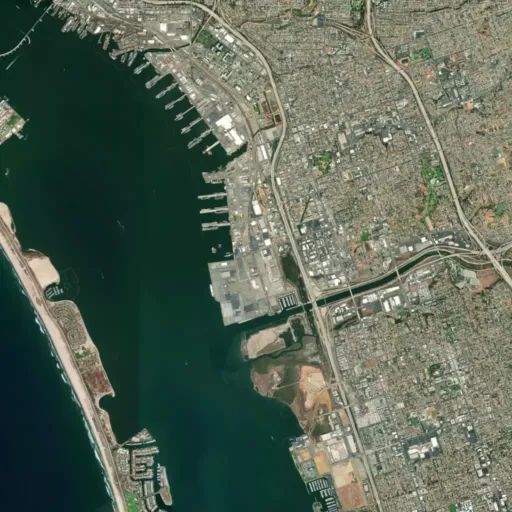
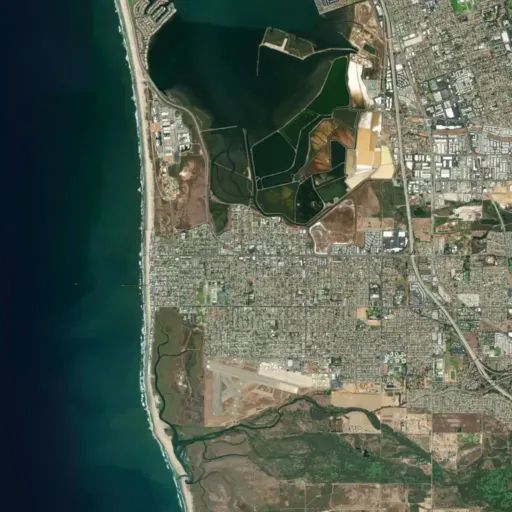
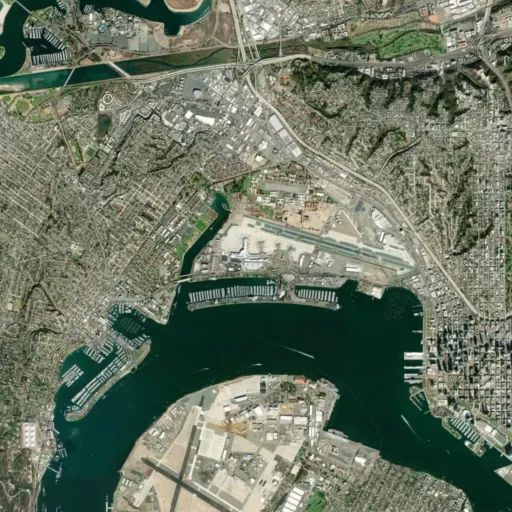
The San Diego Bay National Wildlife Refuge protects a rich diversity of endangered, threatened, migratory, and native species and their habitats within a highly urbanized coastal environment. The refuge is located at the south end of San Diego Bay and is surrounded by the cities of National City, Chula Vista, San Diego, Imperial Beach, and Coronado. Established to protect endangered and threatened species, the refuge encompasses approximately 2,620 acres of land and water in and around San Diego Bay.
Nesting, foraging, and resting sites are managed to support a wide variety of bird species. Waterfowl and shorebirds overwinter or stop here to feed and rest as they migrate along the Pacific Flyway. Undisturbed expanses of cordgrass-dominated salt marsh provide sustainable habitat for the light-footed Ridgway's rail.
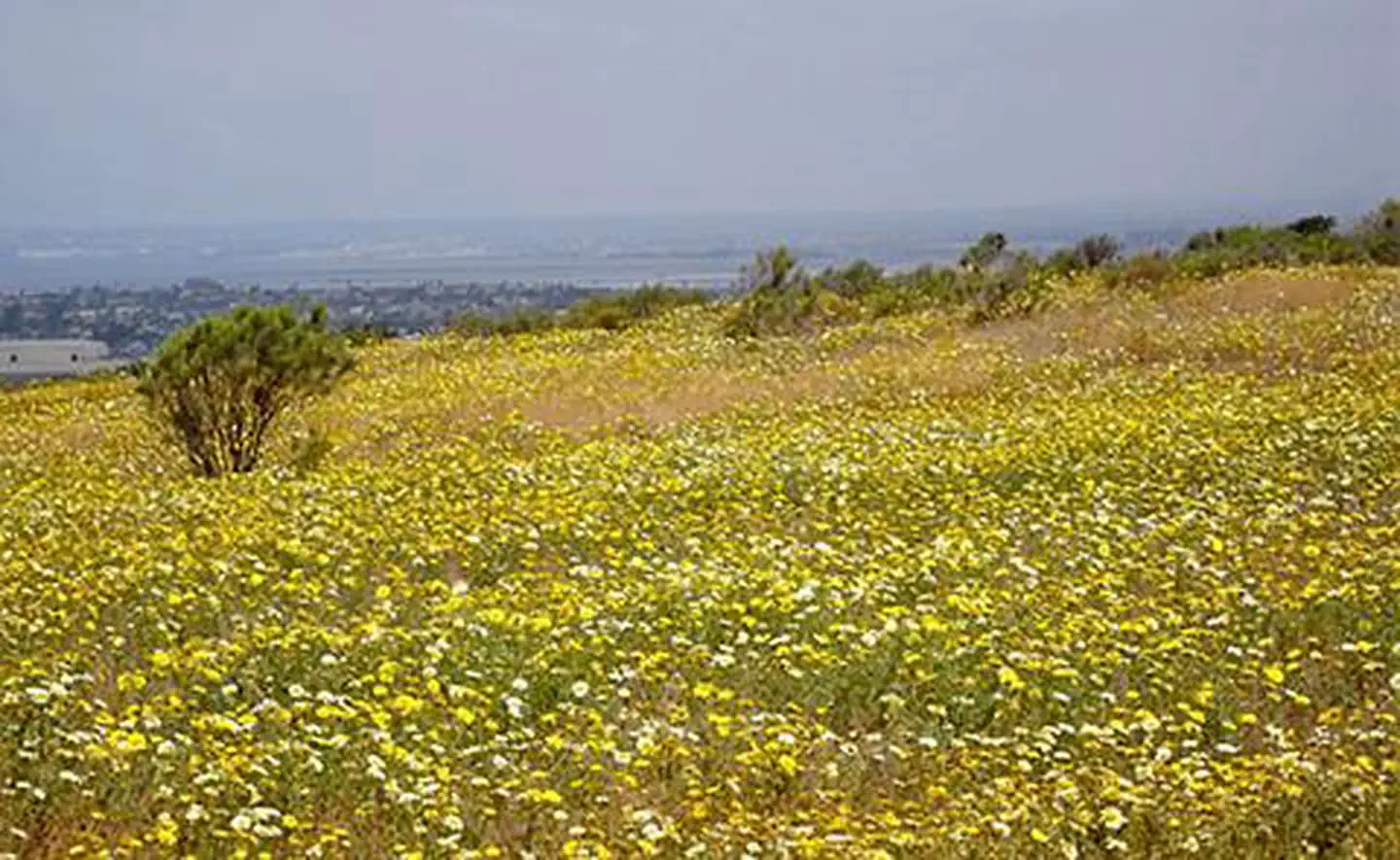
Enhanced and restored wetlands offer high-quality habitat for fish, birds, and coastal salt marsh plants, including the endangered salt marsh bird’s beak. Quiet nesting areas, buffered from surrounding urban development, help ensure the reproductive success of the threatened western snowy plover, endangered California least tern, and other ground-nesting seabirds and shorebirds.
The refuge also offers the public opportunities to observe birds and wildlife in their native habitats and to connect with the natural environment. Environmental education and interpretive programs help expand public awareness of the refuge’s rich wildlife resources. The San Diego Bay National Wildlife Refuge is a haven for both wildlife and people, to be valued and protected for generations to come.
The refuge consists of two units: the Sweetwater Marsh Unit and the South San Diego Bay Unit. These areas preserve most of what remains of San Diego Bay’s historic coastal salt marsh and intertidal mudflat habitat.
Sweetwater Marsh Unit
Sweetwater Marsh covers 316 acres and was established in 1988 on the east side of San Diego Bay. This area has a rich cultural history. The Kumeyaay people originally used the marsh for fishing, hunting, and gathering. During World War I, a 30-acre kelp processing plant on the site produced potash, a key ingredient in smokeless gunpowder, for the British Army. This area is now known as “Gunpowder Point.” Today, the marsh is not only home to native wildlife but also serves as the headquarters for the San Diego National Wildlife Refuge Complex.
Habitats at Sweetwater Marsh support species such as the California least tern, western snowy plover, osprey, belted kingfisher, and Palmer’s frankenia, a rare salt marsh plant found in few other places.
The refuge is also the site of a successful breeding program for the endangered light-footed Ridgway’s rail, conducted in partnership with the Living Coast Discovery Center, SeaWorld San Diego, and the San Diego Zoo Safari Park. Hundreds of rails have been reared and released into the wild through this program. Visitors can see a variety of native birds up close in aviaries and during educational presentations led by volunteers and staff at the nature center. Environmental education programs, activities, and special events are offered throughout the year by the refuge complex and the nature center. It is a great place to visit.
South San Diego Bay Unit
Dedicated in 1999, the 2,300-acre South San Diego Bay Unit was established to protect and restore habitat for hundreds of thousands of birds migrating along the Pacific Flyway, as well as for resident species. This unit is located at the southernmost tip of San Diego Bay, within the cities of Imperial Beach, Coronado, National City, and San Diego.
Eelgrass beds and the largest contiguous mudflat in southern California provide essential foraging habitat for overwintering waterfowl, seabirds, shorebirds, and migrating Pacific green sea turtles. The unit also supports nesting seabirds in spring and summer, including endangered and threatened species such as the California least tern, Belding’s savannah sparrow, and western snowy plover.
Ongoing restoration of tidal flats, salt marsh, subtidal, and native upland habitats continues to create essential habitat for birds, native plants, fish, and other marine life.
The public can enjoy birdwatching, walking, and biking along the Bayshore Bikeway, or join monthly guided tours of the refuge. Hundreds of schoolchildren visit each year to participate in environmental education programs that use the refuge as an outdoor classroom.
 Camp Observer