Permit Pickup Instructions
Please call the Sierra National Forest up to three days before the trip at either the Prather office: 559-855-5355 or North Fork Office: 559-877-2210. You can verify the pick up day and time when you call the issuing office. If you plan on picking up your permit before or after operating hours of the station, let them know at that time.
No shows are processed after your arrival date. Reserved permits can be picked up one or two days before the entry date, or on the entry date.
The signed permit must be in the group leader’s possession during the trip and must be presented to rangers upon request. The group leader signing the permit is accepting responsibility to ensure everyone in their group will follow the rules and regulations on the permit. Wilderness regulations are enforceable with maximum penalties of $5,000 and/or 6 months in jail.
Be Bear Aware!
Do not leave food or refuse in your car or tent. Do not leave food unattended.
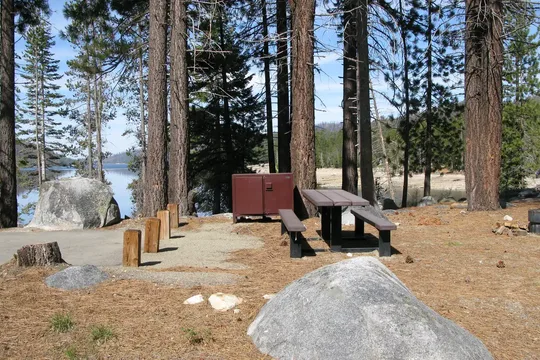
In campgrounds and parking areas with bear proof lockers, all food and scented items must be removed from vehicles and secured in the lockers. Dispose of trash in bear resistant trash cans.
Bear resistant food storage containers are recommended for all wilderness travelers. Review wilderness rules for specific areas where containers are required.
Human Waste Disposal
Solid human waste should be buried six to eight inches deep and at least 100 feet or more from water sources, trails, or campsites.
Behave Responsibly
Respect other visitor’s desire for quiet and solitude. Please help protect this natural resource and leave it unmarked for future visitors. Familiarize yourself with the seven principles of Leave No Trace and review wilderness rules:
Pack out all your trash.
Protect water quality, don’t use soap in natural waterways, even biodegradable soap can damage aquatic life. Waste water should be scattered at least 100 feet away from any water source.
Don’t cut switchbacks; shortcutting damages the trail and adds to erosion.
No drones; they are prohibited in wilderness.
No loud audio devices; let the sounds of nature be part of the wilderness experience.
Campfires are restricted in many areas; wood growth is very slow at high elevation and what little wood exists helps sustain the natural soil, plant and animal community.
Do not camp on vegetation, these fragile areas are easily damaged. Choose a campsite at least 100 feet away from lakes, streams, or trails.
Risk & Responsibility
Come prepared to find your way. Most of the forest has no cell service.
Check weather and trail conditions.
Download maps, and emergency information before starting on the trail.
Plan to be self-sufficient, bring adequate supplies of food, water and clothing.
Learn symptoms of altitude sickness.
Wilderness Backcountry
Activities like backpacking, hiking, skiing, and mountaineering and horse camping are allowed. Motorized or mechanical activities like mountain biking or drones are not allowed in wilderness. There are maintained trails through the area to hike on, but no developed campground facilities. Once you start on the trail, there are no water faucets and no restrooms.
Crossing Park & Forest Boundaries
One permit is valid for continuous wilderness travel, including traveling through adjacent parks and forests. Provide the exit location, exit date and itinerary information to indicate your full travel plan.
You must follow the local rules while you are in each park or forest. Check regulations for each area you will visit regarding pets, food storage, camping and campfire restrictions, stay limits, smaller group size limits for off trail routes. No pets in National Parks.
Trips ending at Mt Whitney (Whitney Portal- Inyo National Forest) must be identified in your Sierra NF permit.
 Camp Observer