 Camp Observer
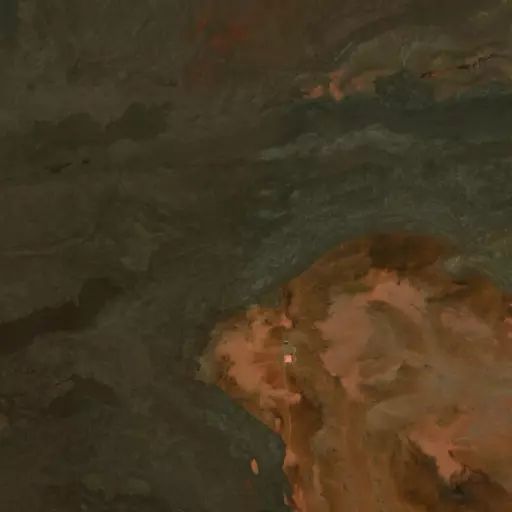
Mauna Loa Cabin Area
Permit required
Fees
Fees are required to obtain a backcountry permit. Fees for reserved and walk-up permits are the same.
$10 Per permit fee
Permits are not transferable. Only the listed group leader or alternate leader identified at the time of reservation may be issued the permit.
Cash or Checks are not accepted.
Hawaii Volcanoes National Park also charges an entrance fee to visit the park. Learn more about pass options. .
Rules
Be Prepared
Know your limits. Be honest and ask yourself, “am I physically fit for the hike I want to do?” You won’t miss out on the spectacular views if you choose an easier trail for your adventure. Overestimating your own physical abilities can have tragic consequences. Learn more about assessing your capabilities and how to hike smart here.
Facilities
Ka'aha, Halapē, and Keauhou have three-walled primitive shelters where hikers may enjoy a respite from the sun. Water caught off the roofs of three-walled shelters or backcountry cabins (where applicable) are stored in adjacent catchment tanks (check with rangers when you obtain your permit for current water levels -- water is NOT always available and there are no streams in the area). TREAT water obtained from catchment tanks before drinking. Please use the composting toilet. Hikers must bring their own toilet paper. Do not put trash in the toilet - pack all trash out.
Leave No Trace
Hikers are required to pack out everything they pack in. Do not bury or discard trash in pit toilets. You must pack it out and practice "Leave No Trace " camping.
Emergency Procedures
Before you go, leave a trip plan with another person. Make sure they understand that should you be lost or injured on the trail, they are your only link to help and should report you overdue if you fail to contact them by a predesignated time.
If lost, stay where you are. Use bright colors and reflective materials to attract attention.
To report a lost or overdue hiker, call Hawaii County 911 or Park Dispatch at (808) 985-6170.
Check Out of the Backcountry
At the completion of your hike, report out by stopping at the Backcountry Office or call (808) 985-6178. Permits are issued because of the dynamic nature of this volcano and island. In the event of an eruption, tsunami, or earthquake it is important for rangers to know who may be in danger.
Give us your feedback
Let us know about trail, cabin, or campsite conditions. Did you notice anything damaged or dangerous conditions that rangers should be aware of? File a Trip Report
Weather
Island weather is unpredictable. Visitors should be prepared for rain and wear layers of clothing to ensure their comfort while exploring the park. At the 4,000' summit of Kīlauea , temperatures may be 12 to 15 degrees cooler than at sea level. Coastal areas are often hot, dry, and windy with the possibility of passing showers. Hiking on Mauna Loa (13,677') requires careful planning and preparation. Check the high-elevation weather forecast before making this hike.
Intense sunlight, wind, and high temperatures can lead to dehydration, heat exhaustion or stroke. Pace yourself, drink fluids, eat snacks, and avoid hiking during the hottest times of day.
Wear sun protection - sunglasses, sunscreen, and a hat. Plan ahead - hydrate the day before your trek and drink fluids along the trail. Carry and drink a minimum of 3-4 quarts of water per person per day. During the day, temperatures can soar into the high 90s or higher. On many trails there are NO trees to provide relief from the sun.
Trail Conditions
Trails may be steep and rocky. Watch your footing along the hot and windy trails. Maximum elevation change between trailhead and campsite is 3,000 feet (1000m). Stay on the trail! Do not cut across switchbacks as this accelerates erosion. Trails are marked by stone cairns (ahu) that may be difficult to see in the rain and mist, and impossible to find in the dark. Trails are rocky and uneven, and may be overgrown with thick vegetation.
Seismic and Volcanic Hazards
An earthquake can cause a locally-generated tsunami (seismic sea wave) at the coast. If you feel a strong earthquake, move to high ground immediately. Earthquakes can also produce large rock falls -- avoid potential rock fall areas. Stay on the trail -- earth cracks, thin crusts, and lava tubes are numerous.
Stay Limit
3 nights
Reviews
No reviews yet
Availability
Permit quota applies to each night. See the dated quota below, then choose your camp in the permit flow.
Permit trip planning
Show this permit: Hawaii Volcanoes National Park Backcountry Permits
Camp lists a group-size cap of 12; check permit rules
Stay limit at this camp: 3 nights
Maximum trip length: 7 nights
Camps on this permit
Nearest first · scroll to explore