 Camp Observer
Darwin’s Place (Ground Sites)
Permit cost: $2 per person
Permit required
Location unknown
Fees
Permit Reservation Fee: There is a $21 non-refundable permit reservation fee.
Recreation Fee: A $2 per person, per night recreation fee is required for the length of a reservation.
Entrance Fee: Everglades charges an entrance fee which you may pay upon arrival or purchase in advance. The park also honors valid annual or lifetime America the Beautiful-the National Parks and Federal Recreational Lands Passes (e.g. Senior, Military, 4th Grade, etc.) also known as interagency passes. For more information visit the park's Fees & Passes web page.
Rules
BEFORE YOU RESERVE YOUR PERMIT:
Safely exploring the wilderness by water requires careful preparation and planning. Visit the Everglades Wilderness Trip Planner or if you require assistance planning your trip, call or stop by the Flamingo Visitor Center or call 786-758-0635 before booking your permit.
Permits are required for all overnight camping in the wilderness (except when sleeping aboard boats). If you need frontcountry (tent/RV) camping, you may reserve Flamingo and Long Pine campgrounds through Flamingo Adventures (an authorized park concessioner).
Everglades National Park designates campsites to prevent resource damage and to improve visitor experience. There are currently three types of campsites within the Marjory Stoneman Douglas Wilderness.
Chickee Sites: Elevated platforms with roofs that give campers a unique experience of camping above the water's surface. Chickee platforms are 10 ft x 12 ft and are built to hold a maximum of 6 people or 1 group per platform. A group's tents must fit on one reserved platform. A portable toilet is provided at each chickee. Campfires, as well as wood, charcoal, and coal-fueled grills and stoves are not permitted. Use gas grills or stoves for cooking.
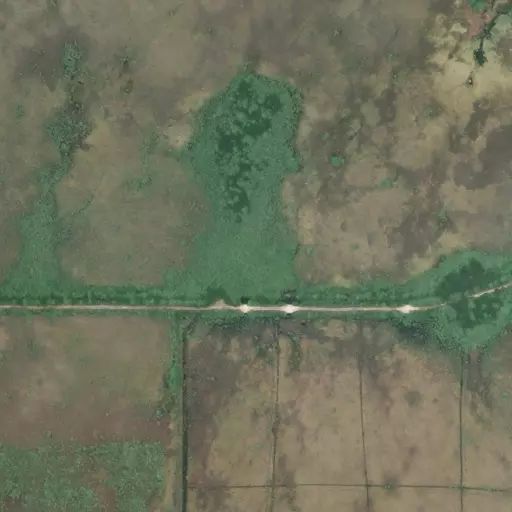
Ground Sites. Along interior bays and rivers, typically on mounds of earth a few feet above the surrounding mangroves. Ground sites can accommodate larger groups and can hold multiple parties. Campfires, as well as wood, charcoal, and coal-fueled grills and stoves are not permitted. Use gas grills or stoves for cooking.
Beach Sites. Beach sites are located on the coast and provide opportunities for camping on the sand along the shoreline. Coastal breeze during ideal conditions makes insects scarce at times. Beach sites are the only type of campsite in the Wilderness where campfires are allowed, but fires must be built below high-tide line.
OTHER THINGS TO KNOW BEFORE YOU BOOK YOUR RESERVATION:
One permit can include multiple nights. A reservation may have multiple consecutive nights for a single $21 non-refundable permit reservation fee. Make sure to select all consecutive nights and campsites before proceeding to payment.
Bring a nautical chart and compass with you. See NOAA's website for more information regarding nautical charts.
Permit. A permit (digital or physical copy) with dates & campsites is required to camp in the wilderness area.
Entrance Fee. All paddlers and boat operators must pay the Everglades entrance fee (separate from permit fees). Pay upon arrival or in advance. The park also honors valid annual & lifetime passes (e.g. Senior, Military, 4th Grade, etc.).
Safety course. A completion certificate from the Everglades Boater Education course is required for powerboat operators.
Fires allowed at beach sites only. The park allows fires below the high-tide line. Use down & dead wood only (no cutting of standing dead trees). Remove all traces of fires before leaving. No fires at ground sites or chickees (we allow gas stoves or gas grills).
Trash. Pack out all trash. Do not bury, burn, or dispose of it in toilets. Dumping trash at sea is illegal.
Human Waste. Use toilets where provided. Where not provided, pack it out or bury it at least 6” deep. At beach and coastal ground campsites, urinate directly in the water. Pack out toilet paper with trash. Do not throw trash or wipes in toilets.
Food. Remove all food particles from dishes before washing. Do not dump food scraps into the water; pack them out with trash. Wash dishes (and yourself) away from waterways and sprinkle the gray water over the ground to soak in.
You must bring all drinking and cooking water, a minimum of one gallon per person per day. Fresh water is not available anywhere along the coastal portions of the wilderness.
Weather. Be prepared for intense sun, rain, strong winds, thunderstorms, lightning, and cold. Check the Weather forecast before departing. Carry a weather radio if possible.
Tides. Tides can influence the time and difficulty to paddle to sites and to navigate shallow waters in a powerboat. Always check tide predictions for your trip.
Selected Site. You must stay at the site listed on this permit unless safety factors require otherwise.
Noise. Be considerate of others when in close proximity. Generators and bug sprayers prohibited.
Pets are not permitted anywhere in wilderness. This includes campsites & beaches.
Fishing. Visit our fishing page for regulations.
Mosquitoes and no-see ums can be aggressive. Bring insect repellent, bug jackets, and/or long pants & sleeves.
Do not feed or harass any wildlife. Raccoons will do nearly anything to get food and water. Store both in hard-sided containers or secured aboard a boat (NOT in tents).
Manchineel (Hippomane mancinella). This native, endangered, tree with shiny heart-shaped leaves is toxic. Contact causes severe burning.
Plants, animals, seashells, and artifacts are protected in the park. Removal prohibited.
Paddlers. When encountering motorboats in a narrow pass, as boat approaches, pull as far to the side as possible. Point the bow of your canoe or kayak into the boat’s wake.
Possession of firearms in the park is in accordance with federal, state, and local regulations. Discharge of a firearm prohibited.
Generators, chain saws, and other portable motors are prohibited.
Closed Areas. All keys in Florida Bay are closed to landing, except Bradley Key (open sunrise to sunset), and designated campsites. In Florida Bay, the mainland from Terrapin Point to U.S. 1 is closed to landing.
Vessels must meet Coast Guard safety regulations. Airboats and personal watercraft (jet skis) prohibited.
Stay Limit
13 nights per trip
Reviews
No reviews yet
Availability
Permit quota applies to each night. See the dated quota below, then choose your camp in the permit flow.
Permit trip planning
Show this permit: Everglades Backcountry Wilderness Camping Permits
Permit cost: $2 per person. See the permit fee policy for exceptions.
Maximum trip length: 13 nights
Check the full permit fees and rules and this page's Rules section before planning your trip.
Camps on this permit
Scroll to explore